Threat Expansion: From South Kivu to the Edges of the PNKB in Kalehe
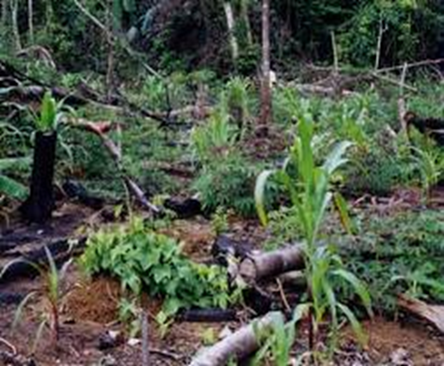
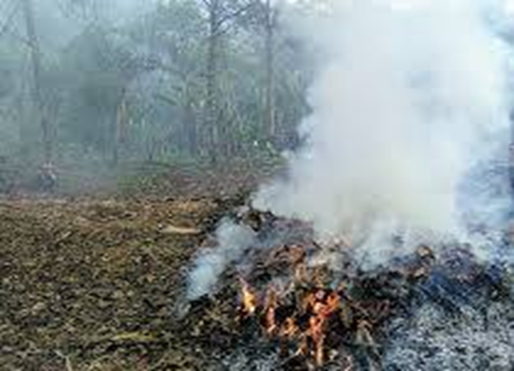
The assessment conducted by the WMU department of the NPADR asbl confirms that the "survival economy" identified in the Walikale territory is manifesting itself with the same intensity in the vicinity of Kahuzi-Biega National Park (PNKB), specifically in the Kalehe area. This sector constitutes a biodiversity hotspot in the Congo Basin, where the primary forest is subjected to constant human pressure. This active deforestation front is fueled by local populations facing an alarming unemployment rate, affecting 70% of young people and women, who use the park's edges as an "accessible bank" for slash-and-burn agriculture. In Kalehe, as in Walikale, the plumes of smoke observed testify to the systematic transformation of the forest into cornfields or charcoal production (Makala), a fire cycle that destroys natural habitats. This dynamic has a severe impact on the Great Lakes region's ecosystem by creating "red zones" of deforestation, which fragment the biological corridors essential to the protected species of Kahuzi-Biega National Park (PNKB). The profound soil degradation in Kalehe, resulting from these archaic methods, rapidly depletes essential nutrients after only a few growing seasons, forcing farmers to encroach further onto the national park's boundaries in search of fertile land.